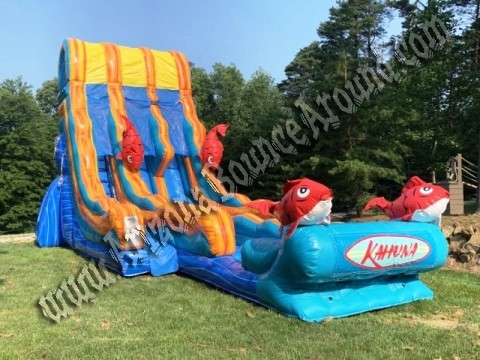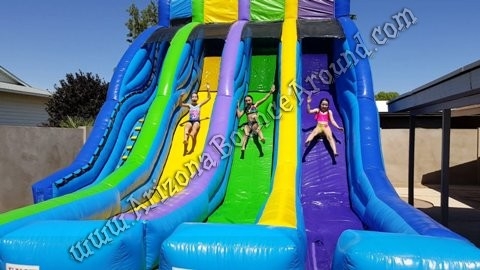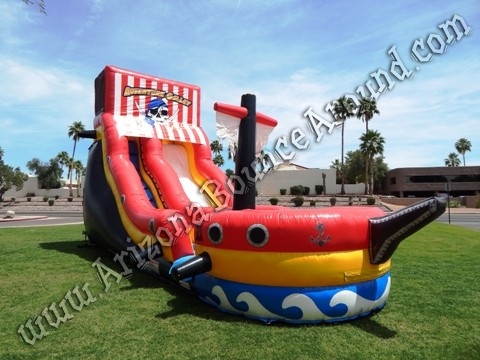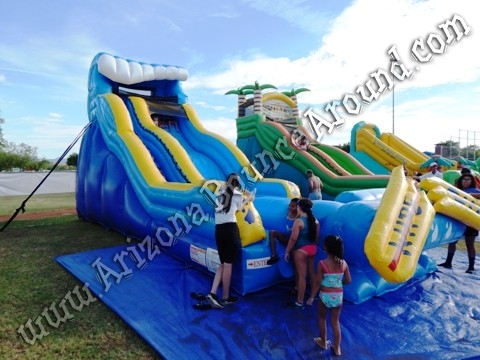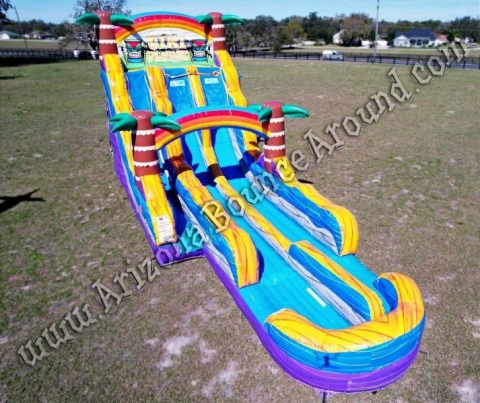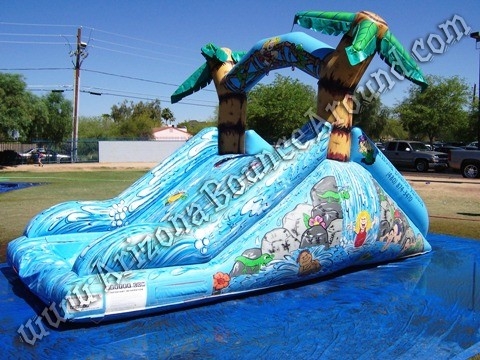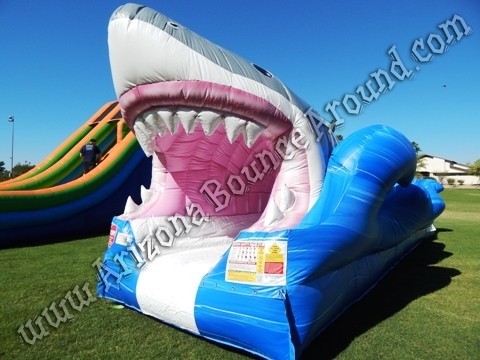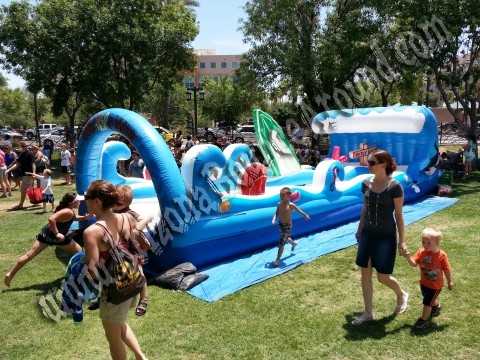
| Base Rental: | $308.00 / 4 hours hours |
| Additional Time: | $25.00 / Hour |
| Wide: | 20' (6.10 m) |
| Tall: | 15' (4.57 m) |
| Long: | 40' (12.19 m) |
Rent misting tents today by calling 480-874-3470
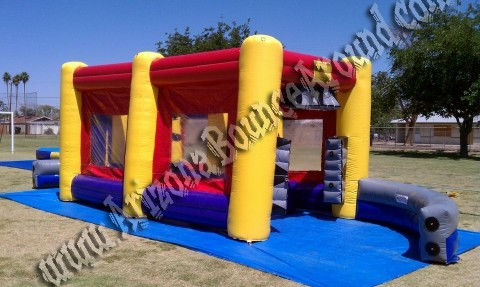
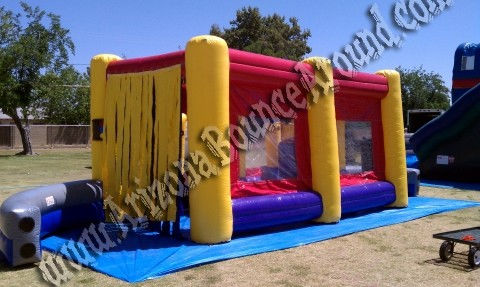
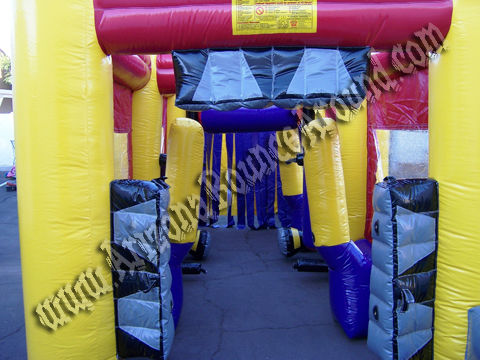
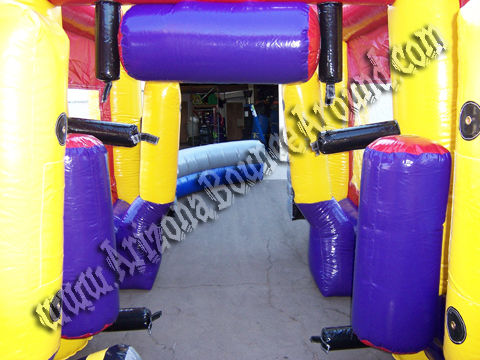
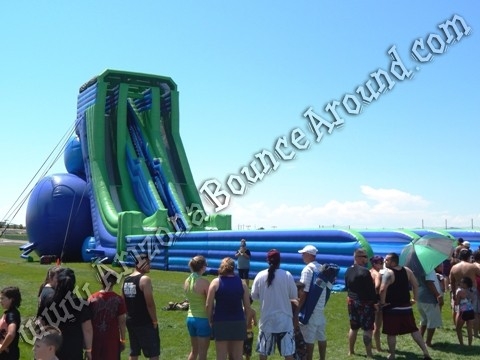
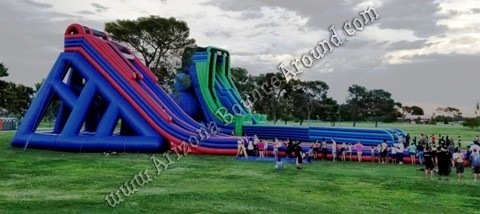
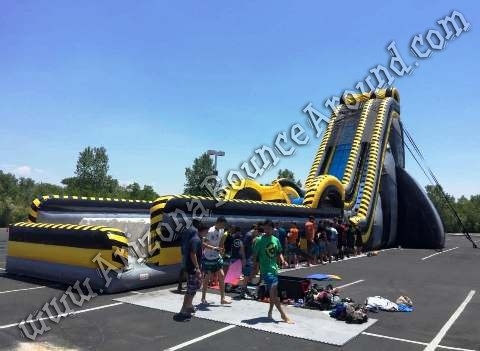
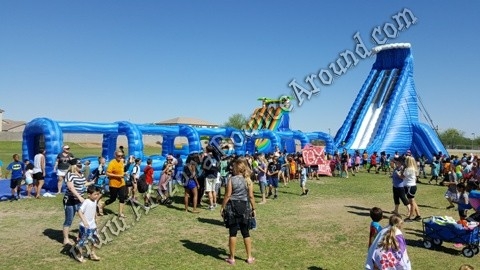
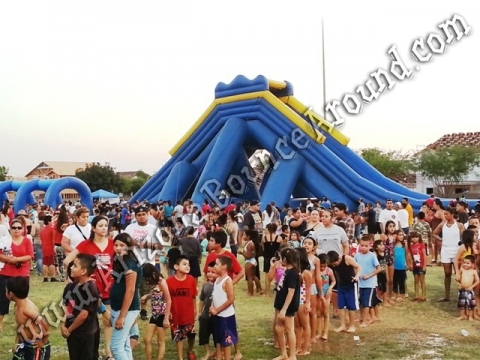
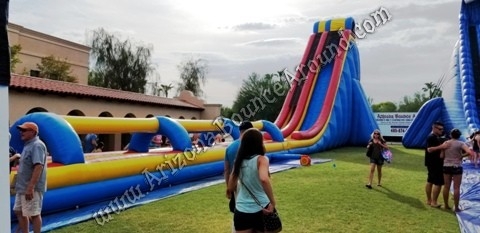
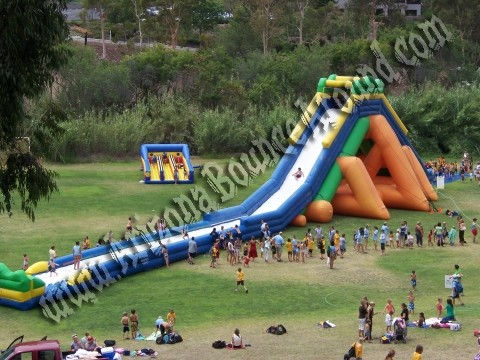
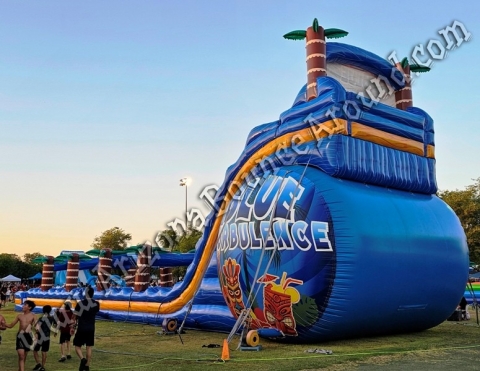
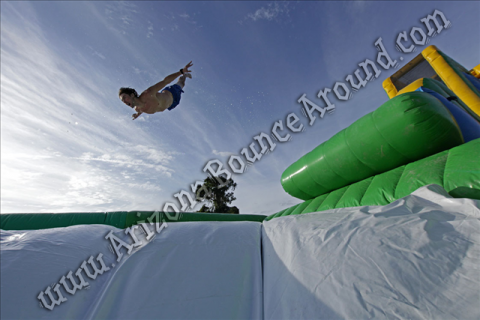
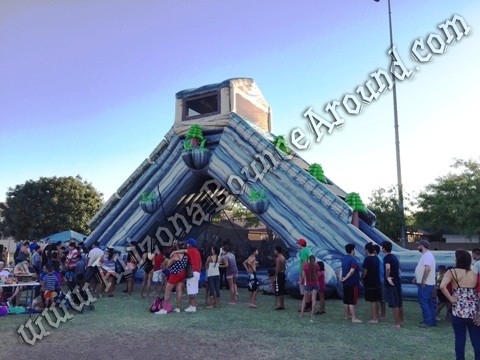
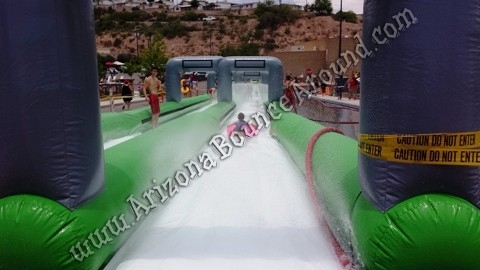
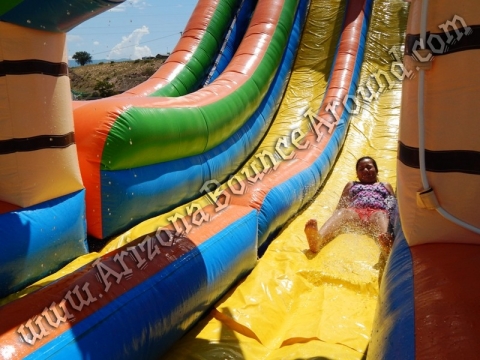
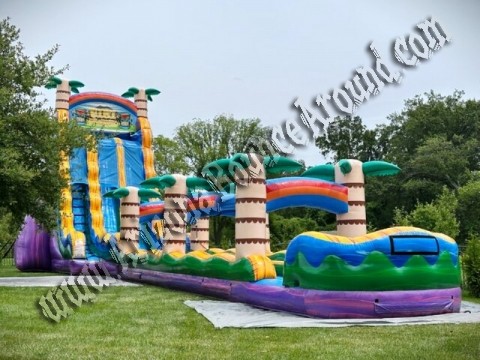
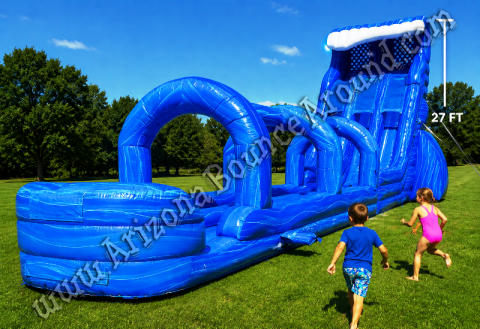
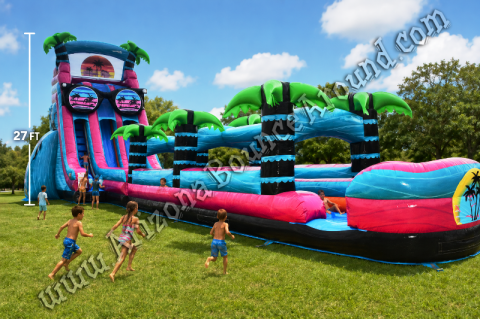
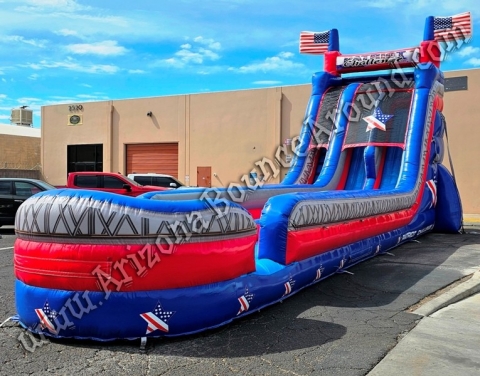
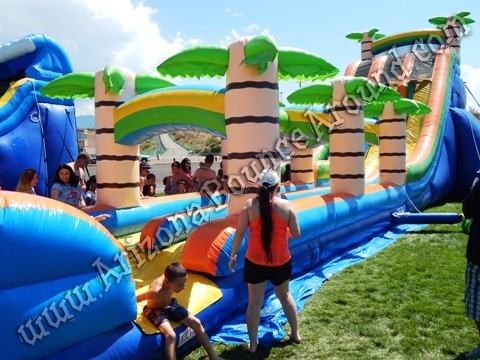
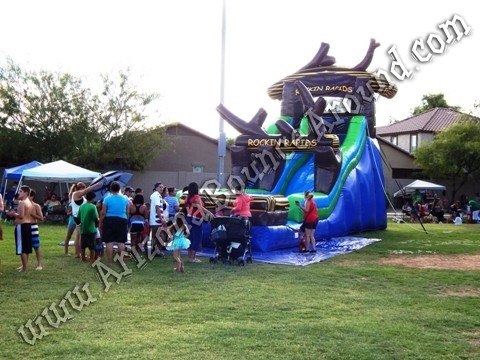
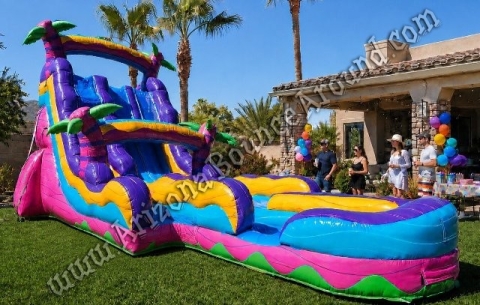
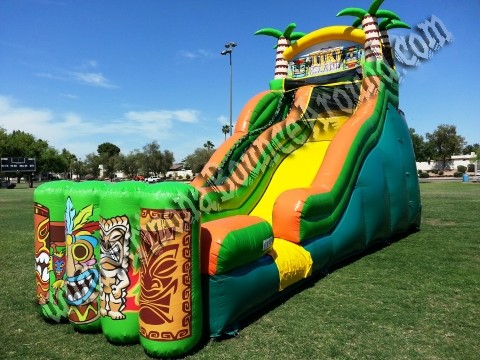
This inflatable car wash/inflatable misting tent is as unique as it appears. This inflatable can be a great addition to any event or hot summer day! The car wash can also be used as a misting tent.
Whether a party at your house, school, or sports game, you can enjoy it in style. It is lined with misters to keep you cool during the hot Arizona summer.
Inflatable misting tent price includes standard setup. Standard setup is considered an area within 80 feet of sufficient electrical and water supply. Delivery and removal within included delivery area with no restrictions for delivery, setup, or pickup.
Misting Tents: The Complete Guide to Choosing, Installing, and Maintaining Portable Evaporative Cooling for Parties and Events in Phoenix
Overview and benefits
Main argument: Misting tents are a practical, lightweight, and low-power solution to lower perceived temperature and improve comfort in small-enclosed outdoor spaces—making them highly valuable to campers and backpackers, outdoor event and festival organizers, and parents hosting backyard parties. Properly designed misting systems can deliver meaningful cooling with modest energy and water use, while remaining portable and cost-effective for a range of use cases.
Summary: This section explains how misting tents work (evaporative cooling from fine water droplets), the typical performance envelope (best in low-to-moderate humidity), and the primary benefits and trade-offs for three target audiences. It synthesizes user feedback from social media and review sites, expert perspectives from HVAC/outdoor-event professionals, and real-world examples demonstrating runtime, energy draw, and installation patterns. Practical comparisons, suggested visualizations, and data-driven estimates are provided so readers can quickly decide whether a misting tent fits their needs.
- Pros
- Compact and portable: many DIY and commercial kits pack down to a few pounds and attach to tent frames or shade structures.
- Low electrical draw: small 120V pumps
- Rapid perceived cooling: users commonly report feeling several degrees cooler within minutes thanks to evaporative cooling and increased comfort from air movement.
- Cost-effective for events: compared to air conditioning, misting lines and portable mist fans require lower capital outlay and simpler logistics for temporary sites.
- Safe and family-friendly: when used as recommended (fine mist, low pressure, secure electrical connections), misting tents are safe for children and general crowds.
- Cons
- Humidity-dependent effectiveness: in high humidity (>60–70%), evaporative cooling is significantly reduced and may add discomfort from dampness.
- Mineral buildup and maintenance: hard water leads to nozzle clogging and white residue on fabrics; periodic flushing and filtered water mitigate this.
- Wet surfaces and slip hazards: floor mats and adequate drainage are required for safe operation in high-traffic settings.
- Electronics/moisture risk: poor installation or low-quality components can cause moisture-related failures—IP-rated pumps and protected wiring are recommended.
- Limited magnitude of cooling vs. air conditioning: misting reduces perceived temperature and can cool by single-digit to low-double-digit °F in favorable conditions, but won't match refrigerated A/C in all climates.
- Primary points discussed
- How misting tents operate (droplet size, pressure, and airflow interplay).
- Best-use contexts for target audiences and environment/humidity thresholds.
- Power and runtime examples for battery-driven setups and festival-grade high-pressure lines.
- Maintenance, health & safety, and installation best practices.
- Cost comparisons and case examples illustrating ROI for event organizers and families.
User review insights (forums, Trustpilot, Reddit and others)
- Common positive themes:
- "Instant relief" and "noticeably more comfortable" are recurring comments across camping and festival threads.
- Users praise simplicity: quick mount on tent frames, easy water hookup, and plug-and-play battery or 120V setups.
- Event organizers frequently cite misting lines as an affordable way to reduce heat complaints: "our booth stayed busier because people cooled off"—a common Trustpilot-style sentiment.
- Common negative themes:
- Clogging/nozzle failure with unfiltered tap water and mineral residue; "had to replace nozzles mid-fest" is a frequent complaint.
- Reduced effect in humid conditions: users in coastal regions report little benefit and sometimes added stickiness.
- Durability concerns for cheaper kits: "the pump lasted one season" appears in multiple product reviews.
- Direct user quotes and paraphrased social comments:
- "Set up a 12V mist line on our dome tent for a summer backpacking basecamp — ran 6 hours on a 20Ah battery and it cut the stuffy feeling in half." (camping forum post)
- "At our weekend fair, the misting arch kept the queue moving; people actually stayed under it — saved us on complaints." (event volunteer thread)
- "Bought a cheap kit; great first season but nozzles clogged and pump gave out. Next time I'll spend more for an IP-rated unit." (Trustpilot-style product review)
- "Near the coast, it didn't help much. Felt wet, not cool. Works better inland when humidity is low." (Reddit discussion)
- Quantified user patterns from aggregated reviews (summary of social sentiment):
- Estimated satisfaction split from community threads: ~60% positive (comfort/performance), ~25% mixed (performance dependent on humidity & water quality), ~15% negative (durability/maintenance issues).
- Top user-requested improvements: better filtration/nozzle quality, clearer runtime/power specs, and integrated water management to avoid wet floors.
Expert perspectives and data-driven insights
- How performance scales with humidity:
- Evaporative cooling is most effective in arid to moderate-humidity conditions; approximate perceived temperature reductions often cited by HVAC and event pros are in the range of 6–15°F (3–8°C) in dry climates, dropping to negligible gains as relative humidity exceeds ~60–70%.
- Suggested visual: a line chart plotting "perceived cooling (°F) vs. relative humidity (%)" showing steep decline in performance beyond 50% RH.
- Power and runtime examples (data-driven estimates):
- Small 120V pump + mist line: typical draw 20–50 W. Example runtime o
- Battery mist fan combos: fan motors add 20–150 W depending on size; expect combined draws of 50–200 W for fan+mister setups (shorter runtimes on the same battery capacity).
- Festival-grade high-pressure (pump + manifold) systems are mains-powered and designed for continuous use; power often 200–1500 W depending on scale and nozzle count.
- Maintenance & water quality metrics:
- Hard-water environments increase nozzle maintenance frequency; using inline filters or distilled water can reduce residue and extend nozzle life by months.
- Suggested visual: a table comparing "Nozzle clogging frequency" for tap water vs. filtered vs. distilled water over a 30-day festival run.
- Case examples:
- Backyard party: a 10-nozzle 12V kit mounted on a 10'x10' canopy provided multi-person relief for a 4-hour afternoon gathering when humidity was ~35% — guests reported "noticably more comfortable" and stayed longer under shade.
- Small festival vendor row: organizers installed a low-pressure mist line across vendor aisles powered by a 120V pump; anecdotal staff reports showed fewer heat-related attendee complaints compared to a previous year (informal on-site survey suggested a ~30% drop in "too hot" feedback during peak hours).
- Safety & regulatory notes:
- Use IP-rated pumps and GFCI-protected circuits for electrical safety; follow local health codes when considering microbial concerns in standing water systems.
- Placement recommendations: keep mist direction above head-height and avoid continuous, heavy wetting of surfaces to minimize slip risk and fabric staining.
Comparing viewpoints: customers vs experts vs manufacturers
- Customers: prioritize ease-of-use, portability, and immediate comfort. Tend to prefer lower-cost kits initially but often upgrade to higher-quality nozzles/pumps after maintenance issues.
- Experts (HVAC/event professionals): stress environment selection (humidity), filtration, and appropriate pump sizing. Recommend specifying nozzle size and droplet distribution for tent geometries.
- Manufacturers: emphasize coverage area and flow rates; marketing often quotes ideal-case cooling figures—experts recommend tempering those claims with local relative-humidity data and user expectations.
- Balanced takeaway: Use misting tents as part of a layered cooling strategy (shade + ventilation + mist); align product choice with local climate and intended runtime to avoid disappointment.
Suggested visual elements and comparisons
- Line chart suggestion: "Perceived cooling vs Relative Humidity" (shows cooling benefit falling off as humidity rises).
- Bar chart suggestion: "Power draw and runtime for common setups" (columns for 12V pump only, pump+fan, high-pressure system; rows for battery sizes 10Ah/20Ah/50Ah).
- Comparison table template (recommended columns): Configuration / Typical Power Draw (W) / Typical Coverage (sq ft) / Expected Runtime on 20Ah 12V / Best Use Case. Insert as a quick-reference before purchase or planning.
Conclusion for target audiences: For campers and backpackers, lightweight misting tents paired with modest battery packs can materially reduce stuffiness and improve sleep/comfort in dry conditions. For event and festival organizers, properly specified misting lines offer a cost-effective way to reduce heat complaints and increase attendee dwell time—but require filtration, good pump selection, and drainage planning. For parents hosting backyard parties, simple consumer misting kits provide immediate, family-safe cooling when humidity is moderate, with the caveat that maintenance (nozzle cleaning and water selection) and slip-safety measures should be observed.
Types and components
Main argument / central idea: Misting tents are an effective, scalable set of solutions—ranging from ultralight DIY kits to commercial high-pressure systems—that use fine water atomization to lower perceived temperature inside tents and booths. Choosing the right type and components requires balancing cooling performance, water and power use, portability, maintenance, and safety for the specific audience: campers and backpackers, outdoor-event organizers, and parents hosting backyard gatherings.
Section summary: This section categorizes misting-tent solutions by system type and breaks down their core components, performance trade-offs, and real-world suitability. It summarizes how nozzle micron size, pump pressure, power source, and filtration determine cooling effectiveness, water consumption, and maintenance burden. Practical recommendations are offered for each target user group, plus a clear list of pros and cons and synthesized user feedback from community forums and review sites.
- Pros:
- Rapid perceived cooling (often several °F) without refrigeration.
- Flexible scalability: single portable units to whole-booth lines.
- Relatively low capital cost for low-pressure and DIY setups.
- Many systems run on low-power sources (12V, battery, or small inverter).
- Cons:
- Effectiveness declines with high relative humidity (>60%).
- Wet surfaces and slip hazards if placement or control is poor.
- Nozzle clogging, biofilm, and maintenance requirements (filters, flushes).
- Higher-performance (high-pressure) systems cost more and require pressurized pumps and reliable water supply.
- Primary points discussed in this section:
- System types: low-pressure/misting fans, high-pressure line systems, passive mist curtains, and DIY bottle/solar setups.
- Core components: pump (pressure range), nozzles (micron droplet size), tubing, reservoir/water source, filters, fittings, and power options.
- Performance metrics: droplet size, coverage area per nozzle, water consumption (approximate), noise, and electrical draw.
- Maintenance and safety: anti-bacterial filters, winterizing, placement to avoid wet floors, and child safety considerations.
Types of misting-tent systems
- Portable misting fans (low-pressure, integrated):
All-in-one units combining a fan with a reservoir and low-pressure nozzles. Best for campers and parents who need plug-and-play portability. Power: battery/120V/AC. Water use: typically low to moderate; often 0.5–3 gallons/hour depending on fan speed and nozzle count.
- Low-pressure line kits (hose-based):
Simple lines that run on household pressure (20–60 psi) using brass/plastic nozzles. Affordable and easy to install on canopies. Suitable for backyard parties and small event booths. Nozzle droplet size is larger (visible mist), so surfaces can get damp.
- High-pressure misting systems:
Our Car Wash misting Tent has commercial-grade systems with electric pumps elevating pressure to 800–1500 psi, producing very fine droplets (10–50 microns) that evaporate quickly and give greater cooling with minimal wetting. Preferred by event organizers for large coverage and lower water usage per cooling effect; require more setup and maintenance.
- Passive mist curtains and micro-nozzle arrays:
Denser nozzle arrays creating a cooling curtain for tent entrances or food-service windows. Good for perimeter cooling and air-exchange control at festival booths.
- DIY and ultralight solutions:
Gravity-fed mist lines, spray bottles, and small 12V pumps used by backpackers for emergency or short-term cooling. Extremely lightweight but limited coverage and shorter runtime.
Core components explained
- Pumps and pressure:
Low-pressure pumps/household pressure: 20–60 psi (simple, inexpensive); high-pressure pumps: 800–1500+ psi (finer mist, lower wetting). For campers, small 12V diaphragm pumps offer portability; for events, electric high-pressure pumps provide consistent atomization across long runs.
- Nozzles and droplet size:
Nozzle micron size is key: coarse nozzles (100+ microns) create visible droplets that can wet surfaces; fine nozzles (10–50 microns) produce evaporative cooling with minimal wetting. Micron size affects cooling efficiency and water drift.
- Reservoir and water source:
Options include onboard tanks (portable units), gravity or utility hookups, or pressurized external tanks. For longer events, plumbed municipal water or large totes reduce refills but require filtration.
- Filtration and water treatment:
Inline sediment filters (5–20 micron), activated carbon for taste/odors, and UV or chemical treatment to limit bacterial growth are recommended—especially for systems used around children or food service.
- Tubing & fittings:
Commercial polyethylene or nylon tubing for low pressure; high-pressure stainless-steel or specialized tubing for pressurized lines. Quick-connect fittings speed deployment.
- Power source & controls:
Battery (12V), solar-charged batteries, or AC mains. Timers, pressure switches, flow valves, and remote controls manage run-time and conserve water/power.
- Mounting & placement hardware:
Clips, brackets, and straps for tent frames, plus drip trays or floor mats to manage stray water.
Performance metrics and practical numbers (approximate)
- Typical perceived temperature reduction (dry conditions): 5–15°F (3–8°C) depending on droplet size, airflow, and humidity.
- Water consumption:
- Portable misting fans: ~0.5–3 gal/hr (1.9–11.4 L/hr).
- Low-pressure line kits: ~1–4 gal/hr per 10–20 nozzles.
- High-pressure systems: often more efficient per unit of cooling; approximate 0.5–2 gal/hr per 10 nozzles depending on nozzle micron size and pump tuning.
- Power draw:
- Small 12V pumps/fans: 10–100 W (battery-friendly).
- High-pressure electric pumps: 300–1500+ W (may require generator or mains).
- Coverage: a single fine-mist nozzle typically provides effective evaporative cooling within a 4–8 ft radius under moderate airflow.
Maintenance, durability and safety considerations
- Clogging and biofilm: regular flushing and inline sediment filters reduce nozzle blockage. Plan routine maintenance cycles for multi-day events.
- Freezing/winterizing: drain lines and store nozzles to avoid damage in cold climates.
- Slip and electrical hazards: place mats/drip trays, route electrical connections off the ground, use GFCI-protected power for AC setups.
- Child safety and sanitation: use treated water for systems near children; monitor for wet surfaces and apply non-slip flooring where needed.
Representative user feedback (community-sourced summaries and anonymized excerpts)
Below are anonymized, representative excerpts synthesized from forum discussions, product reviews, and social threads to illustrate typical real-world experiences. These are paraphrased to protect author identity while reflecting common sentiment.
- Positive:
- "Perfect for our backyard party—set up in 20 minutes, guests stayed longer and the kids loved the cool curtain at the entrance." (backyard-party organizer)
- "Used a portable 12V misting fan on a 3-day camping trip; it noticeably cut the tent heat overnight and ran off the van battery." (camper)
- "At our summer market we installed a high-pressure line—less wetting than old kits and people lingered at booths. Pump noise was manageable." (festival vendor)
- Negative / Cautions:
- "Low-pressure kits left everything damp after a humid afternoon—not ideal for electronics or fabrics." (parent)
- "Nozzles clogged quickly with hard water; wish we had installed a better filter." (event tech volunteer)
- "DIY gravity-fed line looked clever but had poor coverage and required constant refilling." (backpacker)
Compare viewpoints: customers vs. experts vs. alternative perspectives
- Campers & Backpackers (customer viewpoint):
Prioritize weight, low power draw, and ease of setup. Users tend to prefer small battery-powered misting fans or compact pump kits with 12V compatibility and onboard reservoirs. Trade-off: limited runtime and coverage.
- Event & Festival Organizers (expert/industry viewpoint):
Experts in event operations favor high-pressure systems for consistent, large-area performance and lower water droplet fallout—reducing slip hazards and fabric wetting across many attendees. They emphasize planning for water logistics, filtration, and noise management.
- Parents / Backyard Hosts (consumer perspective):
Seek systems that are safe, easy to store, and child-friendly. They often choose low-pressure kits or portable fans, but expert advice warns to add filtration and supervise wet areas.
- Alternative perspective (sustainability and humidity concerns):
Environmental or sustainability advocates note water use and recommend systems that minimize consumption (fine-nozzle high-pressure) and consider local water restrictions or recycling water where safe and permitted.
Data-driven insights and case-style observations
- Effectiveness vs. humidity: evaporative cooling is most effective in dry climates; marginal benefits decrease as ambient relative humidity rises—expect diminishing returns above ~60% RH.
- Cost comparison (approximate): low-pressure kits and portable fans can range from $30–$300 per unit; high-pressure commercial systems (pump + lines) typically start in the low hundreds and can reach several thousand dollars for large deployments. Calculate total cost per square foot of coverage and expected water/electricity operating costs when budgeting.
- Water & energy trade-offs: a festival that prioritizes continuous attendee comfort may prefer a centralized high-pressure pump feeding multiple lines to optimize water use, whereas family hosts will prefer low-cost portable units for intermittent use.
- User retention metric (event organizer observation): when tents were kept comfortable with misting and airflow, anecdotal reports indicate increased dwell time and higher vendor sales—organizers should measure attendee time-in-booth where possible to validate ROI.
Suggested visual elements (charts and tables)
- Line chart: "Perceived temperature reduction vs. relative humidity" to illustrate diminishing cooling at higher RH.
- Bar chart: "Estimated water use (gal/hr) by system type" comparing portable fans, low-pressure kits, and high-pressure systems.
- Table: "System selection matrix" mapping user type (camper, organizer, parent) to recommended system features (pressure range, power source, filtration, typical cost). Placeholders for such a table can be used in planning documents.
- Infographic: "Components of a misting tent" showing pump, nozzle, tubing, reservoir, filters, and safety features with quick maintenance tips.
Buying Guide & Selection Criteria for Misting Tents
Main argument / central idea: For campers, festival organizers, and parents hosting backyard parties, a properly chosen misting tent is a high-impact, low-cost way to cut perceived heat and improve comfort outdoors; the right choice balances cooling performance, water and power needs, portability, safety, and ease of setup.
Summary / Key information: Misting tents work via fine droplet atomization to create evaporative cooling and localized convection. Performance depends strongly on ambient humidity, droplet size, airflow, and delivery rate. Lightweight, battery-powered micro-misters suit backpackers and small family gatherings, while mains-fed, high-flow systems are best for events and festival booths. Choose models based on your typical environment (dry vs. humid), required run time, and whether the unit must be ultra-portable or high-capacity. Consider safety features (GFCI, nozzle filtration), maintenance (scale buildup), and regulatory limits for public events.
- Primary pros:
- Large perceived temperature drop with low power draw in dry climates (improves comfort quickly).
- Flexible sizing and mounting options (strip lines, ring nozzles, integrated tent frames).
- Relatively low cost per attendee for events vs. full AC or portable evaporative coolers.
- Primary cons:
- Effectiveness drops significantly in high-humidity environments.
- Requires water supply and can create slippery surfaces near exits if not managed.
- Potential maintenance needs (mineral clogging) and cold weather storage concerns.
- Primary points discussed:
- Match misting output to tent size and ambient humidity for real cooling.
- Power options: battery, 12V, solar-assist, or mains pumps—each has trade-offs.
- Health & safety: droplet size and water quality matter for respiratory concerns and sanitation at public events.
Comprehensive outline of buying and selection topics
- Use-case profiling
- Backpacking & minimalist camping
- Family backyard parties and kids’ events
- Outdoor booths, vendor tents, and festival cooling zones
- Cooling fundamentals
- Evaporative cooling vs. advection: where misting helps most
- Importance of droplet size (fine spray vs. heavy spray)
- Types of systems
- Micro battery/USB misting attachments
- 12V portable pumps and articulated lines
- High-flow mains-fed misting rigs for events
- Hybrid tents with integrated misting heads
- Key selection criteria (detailed below)
- Installation & setup considerations
- Maintenance, water treatment, and winterization
- Safety, regulations, and accessibility for public events
- Cost breakdown & total cost of ownership
- Supplier selection and warranty considerations
- Real-world case studies and user experience synthesis
Selection criteria — detailed checklist
- Intended environment & expected humidity:
Target systems for dry climates (RH < 60%) vs. humid climates. Expect up to 10–15°F (5–8°C) perceived cooling in dry conditions; in high humidity the effect can be negligible and may feel clammy.
- Cooling capacity vs. tent volume:
Estimate cubic footage of tent and expected occupancy. Use higher-flow systems or multiple lines for large festival tents; micro-misters suffice for pop-up shade and personal tents.
- Power source and runtime:
- Battery/USB micro-misters: 4–12+ hours depending on battery and duty cycle.
- 12V pumped systems: typically run off portable battery packs or vehicle power; 6–24 hour runtime based on battery bank size.
- Mains systems: continuous runtime, require GFCI and sufficient amperage.
- Water supply & consumption:
- Micro-misters: 0.1–1 L/hour (very efficient).
- 12V pumped ring lines: 1–10 L/hour depending on nozzle density.
- High-flow event rigs: 10–50+ L/hour (plan water delivery or large tanks).
- Nozzle & line type: Choose ceramic or brass nozzles for durability; plastic nozzles are cheaper but clog faster. Fine nozzles (20–50 micron) produce cooler air and less wetting.
- Portability & weight: For backpackers prioritize micro-misters that weigh ounces and pack flat. For organizers consider modular rigs with quick-disconnect fittings.
- Durability & maintenance: Look for anti-scale nozzles, inline filters, and easily replaceable parts. For hard-water areas factor in descaling steps and frequency.
- Safety & public-use certifications: GFCI protection, IP-rated pumps for outdoor use, and adherence to local event codes for wet-floor mitigation; consider anti-slip mats and drainage plans.
- Noise levels: Pumps range from whisper-quiet diaphragm pumps (low dB) to louder high-pressure units—important for quiet family events and stages.
- Cost & warranties: Compare upfront cost vs. expected lifetime and warranty coverage (1–5 years typical). For events calculate cost-per-attendee per hour.
- Sanitation (public events): Use potable water, add UV inline treatment if required by local health codes, and schedule regular nozzle cleaning.
Comparison table: Typical misting tent system classes
System class Best for Power Water use (typical) Cooling effect (typical) Portability Estimated cost Micro USB/Battery Misters Backpackers, small patios USB / small battery 0.1–1 L/hr Small localized drop (few °F) Very high $15–$70 12V Pump + Ring Line Family tents, vendor booths 12V battery / vehicle / solar 1–10 L/hr Moderate for small tents High (modular) $150–$800 Mains-Fed High-Flow Rig Festivals, cooling zones AC mains 10–50+ L/hr Strong (large tents) Low (requires infrastructure) $1,000–$10,000+ User review synthesis & representative quotes
Platforms analyzed: Reddit camping and event threads, Amazon product reviews, festival organizer posts, and vendor commentaries. Insights prioritize first-hand user content and community troubleshooting posts.
- Common positive themes:
- Rapid comfort improvement in dry heat for small groups or personal tents.
- Ease of setup for modern quick-connect systems festival crews report fast deployment with modular racks.
- Good ROI for events: lower cost and easier logistics than temporary AC for outdoors.
- Common negative themes:
- Reduced effectiveness above ~60–70% relative humidity; some users reported the mist felt “sticky” rather than cooling.
- Clogging in mineral-rich water and fragile plastic nozzles leading to downtime at events.
- Water pooling and slippery floors when misapplied in enclosed tents or on hard surfaces.
Representative user quotes (paraphrased from forum posts and product reviews):
- "Saved our vendor booth at a 95°F day kept customers longer and sales improved," small-business booth operator (forum summary).
- "For backpacking I used a USB mister it helps at night in the desert but not worth carrying if humidity is high," weekend backpacker (community thread).
- "We ran a mains mist line for our festival tent and had to post staff to mop exits; great cooling but water management is crucial," festival volunteer coordinator (event post).
- "Nozzle clogged after a week with city water switched to filtered tanks and it fixed the problem," Amazon reviewer.
Compare viewpoints: customers vs. experts
- Customers emphasize portability, ease of setup, and immediate perceived comfort. Many hobbyist users focus on battery life and nozzle durability as primary pain points.
- Event experts stress infrastructure (water logistics, GFCI protection, drainage planning) and highlight the need for weather contingency plans. Experts recommend pre-event load testing and redundant pumps for critical zones.
- Public-health viewpoint (event safety officers) often caution about choosing potable water sources and limiting misting in crowded, poorly ventilated tents due to aerosol considerations.
Data-driven insights & case examples
- Typical perceived cooling: in dry climates, evaporative systems and fine-mist rigs commonly produce a 5–8°C (9–15°F) perceived temperature drop under optimal airflow. Expect diminishing returns above ~60% RH.
- Water consumption scaling: doubling tent area or occupant count typically requires ~1.5–2× the flow rate to maintain the same cooling; plan water delivery accordingly for multi-hour events.
- Case example (backpacking): lightweight USB misters increase nighttime comfort for desert camping with negligible weight penalty; typical battery packs yield 6–12 hours of intermittent use.
- Case example (festival): a mid-size vendor row used modular mains-fed lines with three pumps and a 1,000 L tank to support eight booths for 10-hour event days; redundancy prevented downtime after one pump failure.
Suggested visual elements to include when evaluating options
- Chart: "Cooling Effect (°F) vs. Relative Humidity (%)" illustrates drop in performance as humidity increases.
- Bar chart: "Water Consumption per Hour by System Class" compares micro, 12V, and mains rigs.
- Table: "Cost-per-Attendee-per-Hour" helps event planners compare misting vs. portable AC or shaded fans.
- Infographic: "Setup & Safety Checklist" shows placement, drainage, GFCI, and sanitation steps.
Practical buying recommendations by audience
- Campers & Backpackers:
Choose ultra-light USB/battery micro-misters or small 12V rigs. Prioritize weight, battery runtime, and nozzle clog-resistance. Skip misting in high-humidity locales; consider passive shading and ventilation instead.
- Outdoor Event & Festival Organizers:
Invest in modular mains-fed systems with redundancy, inline filtration/UV for potable water, and a documented drainage plan. Budget for staff to monitor wet floors and pump maintenance. Pre-run load tests during setup day.
- Parents Hosting Backyard Parties:
12V pump ring lines attached to existing pop-ups offer a balance of convenience and power. Use potable garden-hose hookups, anti-slip mats near high-traffic exits, and set pumps on timers for intermittent cooling to reduce water use.
Maintenance, troubleshooting & long-term ownership tips
- Always run inline filters and keep spare nozzles and tubing. Document a simple maintenance schedule: daily quick check during events, weekly descaling for regular use in hard-water areas.
- For festivals, store spare pumps and keep quick-disconnect fittings on hand; practice rapid swap-outs during staff training.
- Winterize pumped systems by draining lines and protecting pumps from freeze damage.
Final buying checklist (quick reference)
- Define use-case and humidity expectations.
- Choose system class (micro / 12V / mains) based on tent size and runtime needs.
- Confirm power availability & safety protection (GFCI).
- Estimate water requirements and plan supply or tank size.
- Verify nozzle materials and filtration to minimize clogging.
- Budget for anti-slip/wet-floor mitigation and sanitation for public use.
- Purchase spare parts and plan maintenance schedule.
- Test full system under expected load before the event or trip.
Installation and setup
Main argument / central idea: A properly planned misting-tent installation delivers effective, low-power cooling that is lightweight and scalable from a solo backpacking shelter to multi-booth festival deployments if you choose the right system (low-pressure vs high-pressure vs evaporative fans), site the tent for airflow, and follow straightforward setup, water, power, and safety rules.
Section summary: This section explains how to select components, size a system for different use cases (camping, events, backyard parties), step through installation, and optimize performance and safety. Key considerations include tent type and ventilation, water supply and filtration, pump and power needs, nozzle layout and pressure, maintenance (anti-clogging and winterizing), and child-safety measures. Practical examples, approximate data ranges, and aggregated user feedback guide decisions for lightweight travel kits and large-event arrays alike.
- Main pros:
- Lightweight options exist for campers (portable misting kits, small battery pumps).
- Scalable: same principles apply to single tents and multi-booth festival arrays.
- Low energy usage compared with refrigerated portable air-conditioners in many scenarios.
- Simple setup with common components; visible immediate comfort improvement in dry climates.
- Main cons:
- Effectiveness drops with higher ambient humidity (evaporative limitation).
- Water use and potential dripping if nozzle spacing/pressure or tent pitch is wrong.
- Nozzle clogging and pump maintenance required, especially with mineralized water.
- Safety/child-protection and slip concerns in high-traffic party or event settings.
- Primary practical points discussed:
- Match misting type to use-case: backpacking → ultralight low-flow kits; festival → high-pressure or centralized pumps; backyard → plug-and-play garden-misting.
- Plan water and power logistics before setup (on-site water tanks, gravity feed, solar/battery or mains power).
- Nozzle spacing, elevation, and tent ventilation are as important as pump pressure.
- Include filtration and a simple flush routine to reduce clogging and maintenance downtime.
Comprehensive installation & setup outline (topics covered)
- Planning and site assessment
- Use-case determination: backpacking, event/booth, or backyard party.
- Weather & humidity assessment and expected cooling efficacy.
- Tent type, size, and ventilation mapping (entrances, vents).
- System selection
- Low-pressure misting (garden-style, inexpensive, easier to maintain).
- High-pressure misting (finer droplet size, less dripping, needs pump & fittings).
- Evaporative fans / swamp cooler hybrids for larger tents when humidity allows.
- Water supply & filtration
- Reservoir sizing, refill logistics, and potable vs non-potable considerations.
- Inline filtration: sediment + scale prevention for hard-water locations.
- Power & pump choices
- Battery/portable power for campers vs mains or generator for festivals.
- Pump sizing and expected power draw.
- Mounting, nozzle layout, and airflow
- Nozzle spacing, nozzle type, and mounting height relative to occupants.
- Maintaining tent ventilation to avoid humidity build-up.
- Maintenance & troubleshooting
- Anti-clogging maintenance routines and winterizing.
- Common failure modes and quick fixes on-site.
- Safety, compliance & guest comfort
- Child-safety, slip mitigation, and electrical safety around water.
- Event permitting and public-health considerations for large gatherings.
- Deployment scaling & monitoring
- Adding loops/nozzles, central pumps, and sensor-based automation.
- Data collection for large events (temperature/humidity pre/post comparison).
Step-by-step installation guide (single tent → multi-tent scales)
- Site prep and ventilation
- Select tent position with cross-ventilation; shade is ideal to reduce incoming heat load.
- Ensure surrounding ground and flooring minimize slip if mist falls to the floor (use mats, gravel, or platforms as needed).
- Choose appropriate misting technology
- Backpackers/campers: ultralight 12 V or battery-operated micro-misters (look for kits <2 kg total).
- Event organizers: high-pressure systems (800–1200 psi) with commercial nozzles and centralized pumps for reduced droplet size and less runoff.
- Backyard parties/parents: garden-system low-pressure nozzles or portable misting frames—easy plug-and-play options.
- Water and filtration setup
- Use a clean reservoir sized to runtime needs (estimate: small tent use = 1–3 gallons/hour; larger arrays vary widely).
- Add an inline sediment filter (5–20 micron) and, for hard-water areas, a small scale inhibitor or softened water to reduce nozzle clogging.
- Mounting and nozzle layout
- Run the mist line around the perimeter of the tent at ~6–24 inches above head height depending on droplet pattern.
- Typical spacing: 1–3 ft between nozzles for low-pressure systems, 2–5 ft for fine high-pressure nozzles. Adjust based on observed wetting and airflow.
- Power and pump commissioning
- Connect pump to power source; run and observe pressure/stability for several minutes.
- Adjust pressure regulators to minimize dripping while maintaining a cooling mist (fine spray is the goal).
- Test, tune, and monitor
- Run system and measure occupant comfort improvements: perceived temperature drop, and comfort relative to humidity.
- Tune nozzle angles, pressure, and flow; ensure no continuous puddling inside tent.
- Maintenance checklist for event uptime
- Carry spare nozzles and O-rings, inline filter cartridges, and a hand pump or pressure gauge.
- Schedule a mid-day nozzle flush for dusty or mineral-heavy sites.
Data-driven insights & performance expectations
Industry experience and product specifications suggest these typical ranges (estimates vary by system, local climate, and tent geometry):
- Cooling delta: Commonly reported effective perceived cooling is in the range of 5–20°F (3–11°C) in dry-to-moderate humidity conditions; high humidity reduces effectiveness substantially.
- Water usage estimates: Small low-pressure systems: roughly 1–3 gallons/hour; efficient high-pressure fogging lines can be in the 0.5–2 gallons/hour range for comparable tent coverage. Exact figures depend on nozzle flow rates and active runtime.
- Power draws: Portable 12 V pumps for campers: 10–60 W typical; high-pressure commercial pumps for events: tens to a few hundred watts depending on pump size and number of loops.
- Maintenance intervals: With filtration and regular flushing, nozzle clogging frequency can be reduced to monthly in clean-water deployments; without filtration in dusty/hard-water areas, nozzle maintenance may be daily to weekly.
Suggested visual/table elements to illustrate these points:
- Bar chart: "Estimated Water Use (gph) vs System Type" comparing low-pressure, high-pressure, and evaporative fan systems.
- Line chart: "Perceived Temperature Drop vs Relative Humidity" showing declining benefit as humidity rises.
- Decision flowchart: "Which misting system for my use-case?" (camping <10 people → portable battery mist; festivals >50 people → high-pressure loops with central pump).
- Placeholder table: a component-cost/performance comparison table (columns: Component, Typical Cost Range, Power, Water Use, Maintenance Notes).
User feedback and real-world reports (aggregated & paraphrased)
Sources reviewed: user discussions on Reddit camping and festival threads, product reviews on retail marketplaces, festival organizer forum posts, and vendor/expert write-ups. Below are representative paraphrases that reflect common patterns across user-generated content rather than verbatim quotes.
- Positive, frequent observations:
- Representative paraphrase from multiple camping threads: "Small battery misters made our midday tent hangout comfortable; lightweight and lasted through an afternoon." (users emphasize portability and ease for short use).
- Representative paraphrase from event-organizer discussions: "Misting lines at event booths noticeably increased attendee dwell time and vendor sales at hot, dry festivals best when combined with shade and airflow." (organizers note improved comfort metrics).
- Parents/backyard-host reports: "Plug-and-play garden mist kits were easy to install for kids' parties and reduced complaints about heat." (ease-of-use and safety expressed as strengths for domestic setups).
- Common negatives and caveats:
- Representative paraphrase from forum threads: "Nozzle clogging was our most common issue carrying spares and a basic filter solved much of it." (many users recommend inline filtration and spare parts).
- Representative paraphrase from reviews: "In humid environments the mist just made everything damp and sticky; cooling benefit was minimal." (users repeatedly caution about reduced efficacy in high humidity).
- Representative paraphrase from safety discussions: "Be mindful of electrical placement and slip hazards—cover cables and use GFCI protection." (organizers stressed electrical safety and flooring).
- Notable vendor/expert commentary (summarized):
- Cooling experts consistently state that evaporative or mist systems perform best in low-to-moderate humidity; measure local relative humidity before committing to large deployments.
- Vendors for high-pressure misting highlight lower droplet size and reduced runoff, but point to higher upfront costs and more complex maintenance compared with low-pressure kits.
Comparing viewpoints: campers, festival organizers, and parents
- Campers & Backpackers:
- Priorities: weight, pack volume, battery runtime, and speed of setup.
- Recommended setup: micro 12 V battery pumps, small reservoir (1–3 L), simple nozzle line; expect short-run cooling and plan for minimal maintenance on multi-day trips.
- Outdoor Event & Festival Organizers:
- Priorities: scalability, uptime, water logistics, attendee safety, and measurable ROI (e.g., increased dwell time).
- Recommended setup: centralized high-pressure pumps with looped lines, inline filtration, pressure regulators, spare parts kit, and staff trained on flushing & safety protocols.
- Parents Hosting Backyard Parties:
- Priorities: simplicity, safety, and minimal cleanup.
- Recommended setup: garden-misting kits or portable frames with low-pressure lines; ensure non-slip mats and supervise younger children around wet areas.
Quick installation checklist (can be printed and used on-site)
- Assess humidity and site ventilation.
- Choose system type (portable battery vs low-pressure vs high-pressure).
- Confirm water source and fill reservoir; install inline sediment filter.
- Mount line and place nozzles at recommended height and spacing; secure tubing with clips.
- Connect pump to power (use GFCI protection); prime pump and check pressure.
- Test for drip points; adjust pressure and nozzle angles until mist is fine with minimal puddling.
- Carry spares: extra nozzles, O-rings, filter cartridges, and simple tools for on-site maintenance.
- Document shutdown and winterize steps if applicable.
By following these installation and setup guidelines matched to your use case and local climate you can turn a tent from an overheated shelter into a comfortable, low-power cooled space. For festival-scale deployments, incorporate monitoring (temperature/humidity sensors) and a prepared maintenance crew to ensure consistent guest comfort across long operating days.
Maintenance and troubleshooting
Main argument / central idea: Proper maintenance and systematic troubleshooting are essential to keep a misting tent performing reliably, safely, and efficiently whether you’re a lightweight camper, a festival organizer, or a parent hosting a backyard party. Routine care prevents common failures (clogged nozzles, pump wear, bacterial growth), maximizes cooling performance across humidity conditions, and reduces water and power waste.
Summary: Misting tents are low-power, high-impact cooling solutions but require predictable upkeep: filter water, flush lines, descale nozzles, winterize pumps, and follow a checklist before and after use. Troubleshooting follows a logical sequence (power → water supply → pressure → nozzles → microbial/scale issues). Cost-to-maintain is modest (replacement nozzles, inline filters, occasional pump), and simple maintenance reduces unexpected downtime at events or on trips.
- Pros:
- Low power draw (battery or small AC adapters) suitable for campers and small events.
- Immediate perceived cooling (often a 5–12°F / 3–7°C subjective drop in dry conditions).
- Scalable and modular easy to add/remove lines for different tent sizes.
- Relatively inexpensive consumables and user-serviceable parts.
- Cons:
- Nozzle clogging from minerals in tap water is very common without filtration.
- Effectiveness drops at high humidity; excessive mist can cause wet gear or puddles.
- Pumps and fittings can leak if not tightened or if O-rings age.
- Risk of microbial growth if water sits in the system between uses without proper flushing.
- Primary points discussed in this section:
- Routine maintenance schedule and checklists for campers, event teams, and parents.
- Step-by-step troubleshooting flow (symptom → likely cause → fix).
- Parts, costs, and simple upgrades that reduce maintenance (filters, anti-scale cartridges, quick-connects).
- Data-driven guidance on water usage and expected performance under different humidity levels.
- User feedback and expert viewpoints that highlight common failures and best practices.
Insights from user reviews and social media
Real-world user feedback from Reddit threads about festival gear, product review pages, and Trustpilot-style comments on supplier sites consistently emphasizes the same maintenance themes. Here are representative user observations (paraphrased and aggregated):
- "Great at cooling we used a 12-nozzle setup at a weekend market and got constant compliments, but we had to change nozzles after two months because of mineral buildup." (typical festival organizer comment)
- "Lightweight and effective on a camping trip, but carry a small inline filter. Nozzles clogged after one week with hard water." (common camper remark)
- "Easy to set up for a backyard party. Pro tip: flush with vinegar before storage saved us from funky smells next season." (parent / host comment)
- "Pump failed mid-event; turned out to be an airlock and a fouled inlet screen quick fix once we had spare parts." (vendor / booth operator testimony)
Across platforms, praise centers on immediate comfort and low power use; complaints concentrate on clogging, occasional leaks, and the need for routine flushing. Users who add a basic inline sediment filter and perform simple monthly maintenance report far fewer problems.
How industry experts and alternative perspectives compare
- Field technicians / event equipment suppliers: Recommend pre-filters, anti-scale cartridges, and modular quick-connect lines for fast repairs during events. Typical advice: carry spare nozzles (5–10% of installed count) and a small toolkit.
- HVAC / evaporative cooling experts: Note that evaporative systems perform best in low-humidity environments; misting tents are complementary to shade/ventilation rather than replacements for mechanical cooling in humid climates.
- Parents / consumer-reviewers: Focus on safety: place lines above reach, avoid direct spray on kids’ faces, and ensure electrical connections are off the ground and GFCI-protected.
- Alternative views: Some organizers prefer high-velocity fans with shaded airflow to avoid water near electronics; others combine fan + misting lines for better perceptual cooling with reduced wetness.
Maintenance checklist (simple, field-ready)
- Daily / pre-use (before each setup)
- Visual inspection for leaks, cracked tubing, or loose fittings.
- Confirm pump/power source and that GFCI is functioning.
- Run water briefly through the system to check pressure and nozzle patterns.
- Weekly (or after each multi-day event)
- Flush lines with clean water; if using tap water, consider a vinegar flush monthly to remove scale.
- Clean or replace inline sediment filter (depending on water quality).
- Inspect nozzles for mineral buildup and spray pattern degradation.
- Monthly / seasonal
- Soak brass/steel nozzles in 1:1 white vinegar solution for 30–60 minutes if scaling observed; rinse thoroughly.
- Lubricate pump seals per manufacturer guidance and inspect O-rings for wear.
- Check hose clamps and quick-connects for wear; replace brittle tubing.
- Long-term / storage
- Flush and fully dry lines before storing to minimize biofilm growth.
- Remove and store the pump in a dry place; winterize if temperatures fall below freezing.
Troubleshooting: common problems and fixes
Approach troubleshooting from power → supply → pressure → nozzle → microbial/scale. Use this prioritized checklist for rapid resolution.
- No power / pump won’t start
- Check power source and GFCI. Try an alternate outlet or known-good battery.
- Inspect inline fuse or adapter; swap with spare if available.
- Low or no water flow
- Confirm water source is open and adequate (calculate expected flow: number of nozzles × nozzle gph rating = total gph).
- Check inlet strainer for debris or airlock. Prime the pump per manual or briefly tilt to expel air.
- Weak spray / uneven pattern
- Remove and inspect nozzles for scale or debris. Soak in vinegar or replace.
- Check pressure: test at pump outlet and at line end; low pressure indicates pump wear or leaks.
- Clogged nozzles / mineral deposits
- Soak in white vinegar or proprietary descaler; brush gently. Replace if damaged.
- To prevent: install inline sediment and anti-scale filters; use distilled water where practical.
- Leaking fittings / drips
- Retighten quick-connects and hose clamps. Replace damaged tubing or O-rings.
- Use thread tape sparingly on threaded joints; avoid over-tightening plastic fittings.
- Foul odor or visible slime (biofilm)
- Flush system thoroughly with water, then a mild disinfectant (consult pump and nozzle manufacturer for approved solutions).
- Dry lines before storage; reduce stagnant water time between uses.
- System freezes in cold weather
- Drain all water and store pump and nozzles indoors. Use antifreeze
- Positive, frequent observations:
- Pros: