
Electric Trackless Train Rental for Events
Exploring Electric
Trackless Train
Rental Options
An electric trackless train rental is a fun, flexible attraction for events that need steady guest movement and a memorable activity without the noise or emissions of a gas-powered ride. People commonly use these trains for community festivals, school events, corporate family days, holiday celebrations, private parties, and shopping center activations. This FAQ explains what to ask, what to expect, and how to compare electric train rental options before you book.
What is an electric trackless train rental?
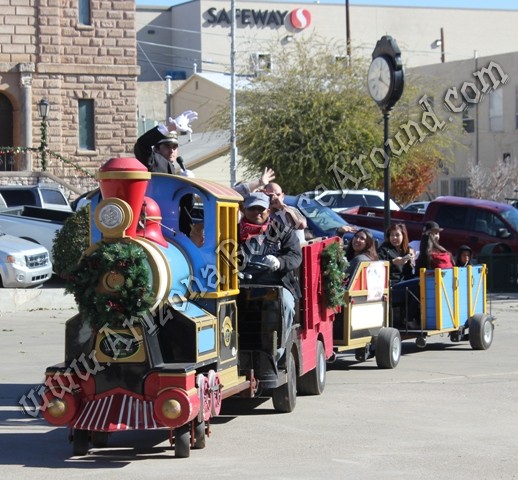
An electric trackless train rental is a battery-powered train-style ride that operates without rails. Instead of running on a fixed track, it moves on suitable paved or flat surfaces and is usually guided by a trained operator. The "train" typically includes a lead engine-style vehicle and several connected passenger cars.
The biggest appeal is flexibility. Because it requires no track installation, the ride can often be routed through event spaces, parking lots, paved paths, or designated activity zones. That makes a trackless train rental useful for events where guests need both entertainment and light transportation.
Electric models are especially popular for family-focused events because they tend to run more quietly than fuel-powered options. They also avoid exhaust fumes, making them a better fit for certain venues, indoor-adjacent spaces, or events where comfort and atmosphere matter.
How is an electric train different from a gas-powered trackless train?
The main difference is the power source. An electric train rental runs on rechargeable batteries, while a gas-powered train uses a fuel engine. That difference can affect noise level, operating environment, venue approval, and the overall guest experience.
Event organizers often prefer electric trains for a smoother, quieter attraction. They may also be easier to approve at venues with rules about fumes, sound, or fuel storage. Gas-powered trains can still work in some settings, especially on long outdoor routes, but they aren't ideal for every property.
When comparing options, ask the rental company how long the train can operate on a charge, whether it needs charging access, and which surfaces are acceptable. These details matter more than the label alone, because every model and event layout is different.
What types of events work best for a trackless train rental?
Trackless trains work best at events with families, children, or guests who enjoy interactive attractions. They can also support crowd flow by giving people a reason to move through a venue in an organized route.
Common event uses include:
-
School carnivals and fundraisers: A train ride can serve as a central attraction for younger guests.
-
Church and community events: It adds all-ages entertainment without requiring complex setup.
-
Holiday events: Electric trains pair well with winter villages, tree lightings, fall festivals, and photo areas.
-
Corporate family days: Employees' families get an activity that feels special but easy to supervise.
-
Shopping centers and plazas: A train can create movement, visibility, and a festive atmosphere.
-
Birthday parties and private celebrations: It can turn a large driveway, lot, or community space into a mini attraction.
The best fit depends on space, surface, guest count, and riders' age range. If the event has very limited room or uneven ground, the provider should help determine whether a train is practical.
How much space does an electric trackless train need?
Space needs vary by train size, number of passenger cars, and turning radius. In general, an electric trackless train needs a clear route wide enough for the engine and cars, plus extra room for turns, loading, unloading, and safe separation from pedestrians.
A good route should be easy to understand and free of obstacles. Tight corners, steep slopes, loose gravel, curbs, potholes, and heavy pedestrian crossings can make operation harder. Even if the train technically fits, the route should feel comfortable for riders and manageable for the operator.
Before booking, prepare a simple site description:
-
Identify the surface type, such as asphalt, concrete, packed surface, or indoor flooring.
-
Estimate the route length and where turns will happen.
-
Choose a loading area away from vehicle traffic.
-
Note slopes, gates, narrow passages, speed bumps, or overhead obstacles.
-
Ask the rental company to confirm whether the layout works.
Can electric trackless trains be used indoors?
Sometimes, but it depends on the venue, train model, flooring, door access, turning space, and local rules. Electric trains are more indoor-friendly than gas-powered trains because they do not produce exhaust during operation. However, "electric" does not automatically mean every indoor venue is suitable.
The provider and venue should both confirm requirements before the event. Key questions include whether the train can fit through entrances, whether the floor can handle the load, whether the wheels suit the surface, and whether there is enough room to turn safely. You should also ask about fire lanes, crowd barriers, and insurance requirements.
For indoor events, clear communication matters. Send photos, measurements, and venue rules early so the rental company can provide practical guidance instead of guessing on event day.
What should be included with the rental?
A reliable electric trackless train rental should include more than just the train. At minimum, you should understand who operates it, how it is delivered, what setup it requires, and what safety expectations apply.
Look for clarity on:
-
Delivery and pickup timing
-
Setup and breakdown needs
-
Operator or attendant availability
-
Maximum riders per car or per ride cycle
-
Age, height, or supervision guidelines
-
Surface and route requirements
-
Power or charging needs
-
Weather policies
-
Insurance documentation, if required by the venue
-
Any travel, staffing, or overtime fees
If you are comparing providers like Arizona Bounce Around or another local event rental company, ask for the same information from each. That makes it easier to compare total value instead of focusing only on the base rental price.
How do I choose the right electric train rental for my event?
Start with the event goal. If the train is mainly entertainment, focus on visual appeal, passenger comfort, and ride duration. If it also needs to move guests from one area to another, focus on route planning, capacity, and continuous operation.
The right choice usually comes down to a few practical factors:
|
Factor |
Why it matters |
|---|---|
|
Guest count |
A larger event may need longer rental time or more efficient loading. |
|
Rider age |
Younger children may need closer supervision and simpler boarding. |
|
Venue surface |
Smooth, flat surfaces are usually easier and safer to operate on. |
|
Event theme |
Train color, style, and décor can affect the overall look. |
|
Noise limits |
Electric options may work better where quiet operation is preferred. |
|
Schedule |
Parades, timed entries, or peak arrival windows may require careful planning. |
Ask the provider what they recommend based on your layout and attendance. Experienced rental teams can often spot issues you may not think about, such as bottlenecks near the loading area or turns that are too tight for passenger cars.
What safety details should I ask about before booking?
Make safety part of the first conversation, not an afterthought. Ask whether the train has a trained operator, how riders board, and what rules guests must follow. Children may be excited to board, so keep the loading area controlled and easy to supervise.
Useful questions include:
-
Who drives or operates the train? We drive the train
-
Are seatbelts or safety restraints used, if applicable to the model? Depends on the model, but typically no
-
How many passengers are allowed per car? 18 to 24, depending on the size of the riders
-
Can adults ride with children? Yes
-
What surfaces or slopes are not allowed? Concrete, asphalt, grass fields, gravel parking lots. No more than a 6-degree slope
-
What happens if weather conditions change? Varries
-
Is the ride stopped during heavy rain, lightning, extreme heat, or unsafe crowding? Yes
You should also plan for clear signage or staff direction. A simple line area, visible entrance, and separate exit can prevent confusion and keep the ride moving smoothly.
How long should I rent a trackless train for?
The right rental length depends on attendance, event schedule, and how central the attraction will be. A small private party may need a shorter window, while a festival or school event may need several hours to give guests enough time to ride.
Think about when the train will be busiest. At many events, demand spikes soon after opening, after performances, or near food and activity breaks. If the train is part of a holiday display or parade-style experience, the timing may need to match the main program rather than run continuously.
When in doubt, explain your guest count and timeline to the rental company. They can help estimate whether your planned rental window is realistic, but avoid relying on exact rider counts unless the provider gives a specific capacity for the train and setup.
What surfaces are best for an electric trackless train?
Smooth, firm, level surfaces are usually best. Asphalt, concrete, and other paved areas often work well, as long as the route has enough turning room and no major hazards. Some trains may handle other firm surfaces, but that depends on the model and conditions.
Avoid assuming that grass, dirt, gravel, or uneven terrain will be acceptable. These surfaces can affect traction, battery performance, rider comfort, and safety. Wet ground can also change conditions quickly, even if the route looked fine earlier in the day.
A short site walk before the event is helpful. Look for potholes, drainage dips, cords, hoses, temporary mats, decorations, and pedestrian choke points. If any part of the route feels questionable, share photos with the provider before finalizing the plan.
What should I prepare before the train arrives?
Preparation helps the rental run smoothly and reduces delays. The provider may handle most setup, but the event organizer usually handles access, route approval, and keeping the area clear.
Use this checklist before arrival:
-
Confirm delivery address, parking access, and contact person.
-
Clear the route of vehicles, cones, décor, cords, and loose items.
-
Mark the loading and unloading area.
-
Notify venue staff that the train is scheduled.
-
Confirm any required power access or charging location.
-
Review weather plans and backup options.
-
Keep pedestrians, vendor booths, and lines away from the route.
If your event has multiple vendors arriving at once, give the train provider a specific unloading location. Large attractions are harder to reposition once crowds and equipment are in place.
How far in advance should I book?
Book as early as you can once your date, location, and event window are reasonably firm. Trackless train rental inventory can be limited, especially around holidays, school event seasons, fall festivals, and weekends with high community event demand.
Booking early gives you more time to confirm venue requirements, insurance needs, route layout, and theme details. It also reduces the risk of settling for a rental that does not fit your space or schedule. If your event date is flexible, ask whether alternate times or weekdays offer more availability.
Last-minute booking may still be possible, but it leaves less room for planning. For a moving ride with route and safety considerations, extra planning time is valuable.
What affects the cost of an electric trackless train rental?
Pricing varies by location, rental duration, delivery distance, staffing, event complexity, and seasonal demand. Some providers price by the hour, while others may offer packages. Because those details vary, request a custom quote rather than assume a standard rate.
Cost factors may include:
-
Number of rental hours
-
Travel distance to the venue
-
Required operator or attendants
-
Setup complexity
-
Event date and demand
-
Insurance or venue documentation
-
Extended operating time or late pickup
When comparing quotes, look at what is included. A lower price may not be the best value if it excludes staffing, delivery, or enough operating time for your guests.
Is an electric trackless train rental worth it?
For many family-friendly events, yes. A trackless train creates movement, excitement, and a shared experience that guests can see from across the venue. It can also serve a practical purpose by connecting activity areas or guiding traffic through a planned route.
The key is matching the rental to the event. If you have a suitable surface, enough room, and an audience that will enjoy the ride, an electric train rental can become one of the most memorable on-site attractions. If your venue is cramped, uneven, or heavily crowded, you may need to adjust the route or choose a different attraction.
Before you book, gather your event date, location, estimated attendance, surface details, and preferred rental window. Then contact a local provider to confirm availability, layout needs, and the best electric trackless train rental option for your event.