
Human Gyro Rental Phoenix: Setup and Safety
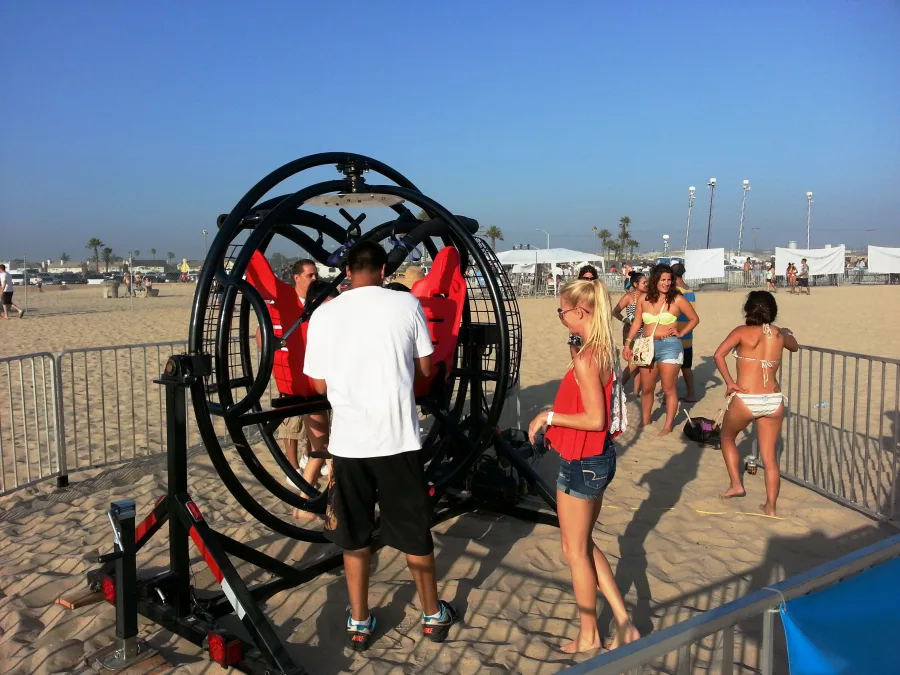
A human gyro is the kind of rental that turns a normal Saturday into the story everyone tells on Monday. The rider straps into a seat suspended inside rotating rings, and then the whole rig spins on multiple axes at once. It looks like astronaut training because that is roughly where the design came from. For Phoenix party hosts, school carnivals, church festivals, and corporate events, it delivers a thrill that a bounce house cannot match.
But a spinning ride is not a set-it-and-forget-it rental. It needs flat ground, steady power, an attentive operator, and a host who understands what riders are getting into. This guide walks through how the ride works, what setup looks like in a Desert backyard or a paved lot, and the safety questions worth asking before you put down a deposit.
How a Human Gyro Actually Works
The machine is a multi-axis trainer. A padded seat sits at the center of three nested rings, and each ring rotates independently. Because the axes are offset, the rider tumbles forward, sideways, and upside down in a constantly changing motion instead of repeating a single loop like a Ferris wheel.
The rider controls the intensity in most setups. Shifting body weight and leaning changes how the rings respond, so a cautious rider can keep it gentle while a thrill seeker can push for full rotation. A hand control or a spotter can usually slow or stop the spin. That combination of rider input and operator oversight is what makes the ride approachable for a wide age range.
Sessions are short by design. A minute or two in the seat feels much longer than it sounds, and most riders need a moment to find their feet afterward. Expect a line to form once the first person finishes and starts telling everyone how it felt.
Space, Surface, and Access Requirements
The footprint is bigger than people expect. You are not just fitting the ride itself. You also need a clear buffer around the rotating rings, a staging area for the next riders, and a path for the delivery crew to move equipment in and out. Confirm the exact dimensions with your rental provider before you finalize a layout, since models differ.
Ground conditions matter just as much as square footage. The ride wants a firm, level surface. Concrete, asphalt, and compacted decomposed granite all work well. Soft lawn, loose gravel, and sloped driveways create problems because an uneven base stresses the frame and changes how the rings behave. If grass is our only option, tell the rental company up front so they can advise on mats or an alternate placement.
Access is the detail that ruins otherwise good plans. Measure your side gate. Look at the route from the street to the setup spot. Check for low branches, overhead power lines, patio covers, and anything the crew would have to lift equipment over. If a ride can't reach the backyard, it will sit on the driveway instead, which may not be where you want the action.
Phoenix properties often have another wrinkle: gravel front yards, block walls, and narrow RV gates. Walk the route yourself with a tape measure before booking day, and photograph anything that looks tight. Sending those photos to the rental company saves a lot of guesswork.
Power and Site Logistics
Most mechanical rides rely on either a dedicated household circuit or a generator, and the answer depends on the specific unit. Ask directly what the ride draws and whether your event needs a generator rental. If you are hosting in a park, a lot, or an open field, plan on generator power unless the rental company tells you otherwise.
Keep the power source away from the rider loading zone and out of walking paths. Cover or route cords so nobody trips while watching the ride; if the setup is outdoors in an open area, stake or weight down anything that could shift.
Deliveries in the Phoenix metro area are typically scheduled in windows rather than exact times, and distance from the warehouse affects both the delivery charge and how early the crew arrives. When you request a quote, provide your exact address and confirm whether setup and pickup are included or billed separately.
Safety Questions to Ask Before You Book
A reputable operator will welcome these questions. If they brush any of them aside, that is your answer.
-
Who operates the ride during the event, and is that person included in the rental?
-
What restraints are used, and how are they checked before each rider starts?
-
Is there an emergency stop, and who is trained to use it?
-
What are the height and weight guidelines for riders, and how do you enforce them?
-
How often is the equipment inspected, and can you describe the most recent service?
-
What is the weather policy if wind or a monsoon storm rolls in?
-
Does the rental include a certificate of insurance if my venue requires one?
Write the answers down. If your event is at a school, church, or city facility, the venue may want proof of insurance and may have its own rules about rides on the property. Get those requirements in writing early so the paperwork does not stall the booking.
Rider Rules and On-Site Supervision
The ride itself is only part of the safety picture. The crowd around it matters as much. Set a clear waiting line with a rope, cones, or a table so riders don't stand inside the swing zone. Post one adult at the loading area whose only job is managing the queue.
Pockets empty before boarding. Phones, keys, glasses, and loose jewelry all become projectiles once the rings start moving. Tie back long hair, and choose closed-toe shoes. Anyone who has eaten heavily, is overheated, or is feeling unwell should sit this one out and ride later.
Riders who have medical conditions affecting the heart, neck, back, or inner ear should check with a doctor before spinning. That guidance applies to adults too, not just kids. It is also fine to let someone watch a full cycle before deciding. Many people need to see it once before they commit.
Handling Phoenix Heat and Weather
Summer events in the valley need shade and water near the ride, not on the other side of the yard. Put a pop-up tent and a cooler within sight of the loading zone so riders can cool down between turns. Schedule the ride for morning or evening hours when the sun is lower, especially for younger guests.
Wind is the other consideration. Dust and gusts build quickly in the Desert, and a spinning ride should not operate when conditions turn rough. Have a plan for shutting down and moving the crowd inside or under cover. Ask your provider how they handle wind holds so you are not improvising in the moment.
Building the Rest of the Event Around the Ride
Anchoring a party around one attraction means the rest of the layout needs to support it. Place food and drink stations away from the ride so crumbs and cups don't end up in the loading zone. Keep the DJ or sound setup far enough back that the operator can hear riders and give instructions.
Mechanical rides pair well with a mix of high-energy and low-energy options. A rock wall or bungee trampoline keeps the older kids moving, while a dunk tank or carnival games give everyone a break from lines. Tables, chairs, and a shade tent handle the parents who would rather watch than spin.
If your guest list is large, think through the flow. Riders arrive, queue, ride, and move on. That cycle runs smoother when a second activity is within sight, so people don't cluster around the machine. A concession stand or a small game area does the job nicely.
Booking Timeline and Day-Of Checklist
Reserve the ride as soon as your date and location are firm. Weekend dates in spring and fall fill up first, and school and church events often book weeks ahead. Have your address, event hours, expected guest count, and surface type ready when you call so the quote reflects your actual site.
On event day, clear the setup area before the crew arrives. Move cars, patio furniture, and anything sitting in the footprint. Confirm where the power source is and have an adult on-site to sign off on placement. Walk the operator through your layout and ask them to point out anything that needs to change.
At pickup time, keep the area clear again so the crew can break down without dodging guests. A quick handoff at the end of the day is the difference between a smooth rental and a long evening.
Frequently Asked Questions
How much space does a human gyro need?
Plan for more room than the machine itself occupies. You need the ride footprint, a safety buffer around the rotating rings, a queue area, and a clear path for the crew. Models vary, so ask your rental provider for exact dimensions and measure your gate and setup spot before you commit.
Can kids ride a human gyro?
Many operators allow children above a certain height, but guidelines vary by rental company and unit. Ask about height and weight requirements when you book, and let the operator make the final call on the day. Adults should follow the same screening rules.
Does the ride need a generator?
It depends on the model and your site. Some setups run on a dedicated household circuit, while open fields and park locations usually call for a generator. Confirm the power requirement with your provider and mention whether your venue has electricity available at the setup spot.
Can a human gyro be set up on grass?
The goal is firm, level ground, which usually means concrete, asphalt, or a compacted base. Soft or uneven lawn can be a problem. If grass is your only option, tell the rental company ahead of time so they can advise on mats or recommend a different placement on the property.
How long does setup take?
Setup time varies with the model, site access, and distance from the delivery vehicle, so ask your provider for a realistic window rather than guessing. Build a buffer into your schedule and keep the setup area clear before the crew arrives so they are not waiting on you to move furniture or cars.