
Expert Party & Equipment Rentals in Phoenix Arizona
Essential Tips for
Successful Party
Rentals in Phoenix
Successful party rentals start with a clear plan, a realistic equipment list, and a rental partner that understands how people will actually use the space. Whether you need event rentals for a backyard birthday, school function, company picnic, graduation, or community celebration, the right mix of tent rentals, table rentals, chair rentals, and entertainment equipment can make the day feel organized instead of improvised. Use these practical tips to choose party equipment with confidence, avoid common planning gaps, and keep guests comfortable from arrival to cleanup.
How do you choose the right party rentals?
Choose party rentals by starting with the event experience you want, then matching equipment to your guest count, venue, weather, schedule, and activities. A successful rental order is not just a list of items; it is a layout, traffic flow, comfort plan, and backup plan working together. Before you book, think through where guests will eat, sit, gather, play, line up, cool down, and find shade.
A helpful rental services provider should be able to discuss more than product availability. They should ask about space, surface type, delivery access, setup time, power needs, and how the party will move from one activity to the next. That conversation is especially important if you are booking bounce house and party equipment rentals, because inflatables, tents, tables, and seating all need enough room to be safe, practical, and enjoyable.
1. Start with the event purpose and guest experience
The best party planning decisions come from knowing what kind of event you are hosting. A child’s birthday party may need open play space, shaded seating for adults, and a clear place for food. A corporate gathering may need clean table layouts, dependable chair rentals, signage areas, and a setup that supports conversation. A school or church event may require durable equipment that can handle steady traffic for several hours.
Write down the main moments of the party before choosing items. Will guests eat a full meal or snack while standing? Will children need supervised activity zones? Will older guests need extra seating close to the action? This helps you rent what supports the event, rather than filling the space with items that look good online but do not address real needs.

2. Build your rental list around the venue layout
Every venue has limits, even a large open yard. Measure the usable area, note slopes or uneven ground, and identify trees, fences, gates, overhead lines, sprinkler heads, and narrow paths. If the rental company will deliver equipment, they also need to know whether trucks can access the setup area or whether items must be carried through a gate, hallway, or side yard.
Create a simple layout before placing your equipment hire order. It does not need to be professional; a rough sketch can show where tables, chairs, tents, food, games, music, and trash areas should go. Leave walking lanes wide enough for guests to move easily, especially around food tables and popular attractions. Good layout planning prevents crowding and keeps the event from feeling smaller than it is.
3. Match tent rentals to weather, shade, and function
Tent rentals are not only for rain. They can define the party area, create shade, protect food service zones, and make an outdoor event feel more finished. If your event is during a hot season, guests may spend more time under a tent than anywhere else, so think about shade coverage early rather than treating it as an add-on.
Consider what will happen under the tent. Dining tables need more room than a simple shade lounge. Buffet tables, gift tables, DJ equipment, or activity stations require extra clearance. If wind, sun angle, or changing weather may affect your setup, ask the rental provider what tent options make sense for your venue type and event length.
4. Order enough table rentals for real use, not just headcount
Table rentals should be planned by function, not just by the number of attendees. You may need tables for dining, gifts, desserts, drinks, check-in, crafts, party favors, catering supplies, or display items. When hosts forget these support tables, food and supplies often end up crowded onto guest tables, which makes the setup feel messy.
A simple way to plan is to list every station at the event. Then decide whether each station needs a full table, a small table, or shared space. If guests will be sitting down to eat, make sure the table arrangement allows enough space for chairs to be pulled out comfortably. For casual events, a mix of dining tables and standing areas may work better than seating every guest at once.
5. Choose chair rentals with comfort and timing in mind
Chair rentals are easy to underestimate because guests do not always sit at the same time. Still, you should plan enough seating for moments when people need it most, such as meals, ceremonies, speeches, cake-cutting, or rest breaks. If your event includes older adults, parents with small children, or guests who may not want to stand for long periods, extra seating can make a big difference.
Think about where chairs will be used. Dining chairs, ceremony rows, lounge seating, and shaded rest areas each serve a different purpose. If you are moving chairs from one area to another during the event, assign someone to manage that transition. Otherwise, rent enough to avoid interrupting the party's flow.
6. Confirm entertainment equipment early
Entertainment often drives attendance and excitement, especially at family events. Bounce houses and party equipment rentals can provide children with a central activity, reduce downtime, and make the event more memorable. Because popular pieces can book up quickly during busy seasons, entertainment should be one of the first items on your rental list.
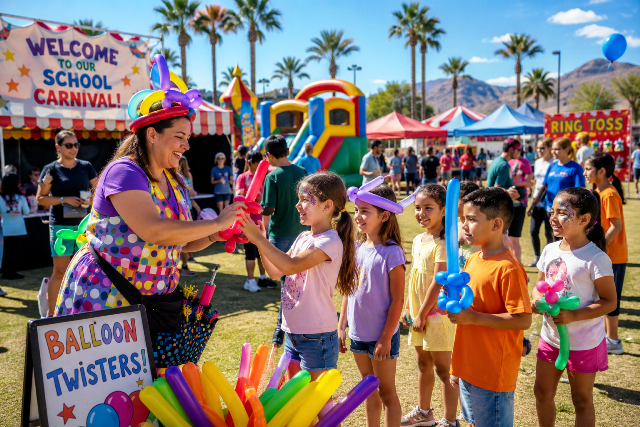
When choosing inflatables or interactive party equipment, match the item to the age range, available space, and supervision plan. Younger children may need a simple bounce area, while older kids may enjoy larger or more active options. Ask about setup requirements, power access, surface needs, and whether the equipment must be monitored during use.
7. Work with a rental company that asks smart questions
A good rental services provider should help you think through details you may have missed. Arizona Bounce Around is a party rental provider specializing in bounce houses and party equipment, and it represents the type of company many hosts look for when they want help bringing fun, functional event equipment to a celebration. When considering Arizona Bounce Around or any similar provider, look for clear communication about available rentals, delivery expectations, setup needs, safety considerations, and how the equipment fits your event space.
The right provider should not simply take an order and disappear until delivery day. They should help you understand what information they need, what the customer is responsible for, and how to prepare the site. That support is valuable because party rentals involve timing, logistics, weather awareness, and guest safety—not just equipment.
8. Ask about delivery, setup, pickup, and access
Delivery logistics can make or break the rental experience. Confirm the delivery window, setup location, pickup timing, and whether someone must be present when the crew arrives. If your event is at a public park, school, clubhouse, or rented venue, check the permitted setup times and any rules about stakes, generators, vehicles, or after-hours pickup.
Give the rental company clear access details. Mention gate width, stairs, elevators, parking limits, long carry distances, or locked areas. If the setup area is not obvious, mark it before delivery. Clear access saves time and reduces the risk of equipment ending up in the wrong location.
9. Review safety and site preparation requirements
Safety starts before the equipment arrives. Clear the setup area of debris, pet waste, sharp objects, low branches, toys, hoses, and anything that could interfere with anchors, cords, or foot traffic. For outdoor events, identify irrigation schedules and avoid placing equipment on wet or unstable ground unless the provider confirms it is acceptable.
For inflatables and other active equipment, ask about operating guidelines. Know the intended age range, capacity limits, supervision expectations, and weather rules. These details help you manage the event responsibly and keep the fun from turning chaotic. If the rental provider gives written instructions, review them with anyone helping supervise the party.
10. Plan power, lighting, and extension needs
Some event equipment may require power, and power planning should never wait until setup day. Identify outlets near the rental area and ask whether they are suitable for the equipment being delivered. If generators are needed, confirm who will provide them, where they can be placed, and how noise and fuel needs will be handled.
Lighting also matters if your event continues into the evening. Guests need to see walkways, food areas, seating zones, and the edges of equipment. Even a casual backyard party can become difficult to navigate after sunset if lighting is an afterthought. Build lighting and power into the same layout plan you use for tents, tables, and chairs.
11. Keep your budget tied to priorities
Party planning works best when the budget follows the guest experience. Decide which rentals are essential, which are nice to have, and which can be dropped if costs need to be adjusted. For example, shade, seating, and safe entertainment may matter more than decorative extras when hosting outdoors for several hours.
Use this quick priority checklist before finalizing your order:
- Guest comfort: tent rentals, chair rentals, cooling or shade, accessible seating areas.
- Food service: table rentals for dining, buffet service, drinks, desserts, and supplies.
- Entertainment: bounce house and party equipment rentals suited to the age group.
- Logistics: delivery access, setup time, pickup time, power, and venue rules.
- Backup needs: weather adjustments, extra seating, covered food areas, and lighting.
This approach keeps spending practical. Instead of renting more just because it is available, you invest in the items that make the event run more smoothly.
12. Finalize details before the event week
Do not wait until the final days to review your rental order. Reconfirm the date, event address, delivery contact, equipment list, quantities, setup surface, and venue requirements. If your guest count changes, update the rental company as early as possible so table rentals, chair rentals, and tent coverage still match the event.
Create a simple day-of contact plan. One person should be available to answer delivery questions, direct setup, and confirm placement. Keep your phone nearby and make sure the setup area is ready before the crew arrives. The smoother the delivery process, the more time you have to focus on guests.
Where should you start if you feel overwhelmed?
Start with the three things every guest will notice: comfort, flow, and fun. Comfort comes from shade, seating, tables, and weather planning. Flow comes from a smart layout with clear access to food, activities, and rest areas. Fun comes from choosing party equipment that fits the occasion rather than trying to add every option at once.
If you are comparing rental services, prepare your guest count, event date, venue type, available space, and must-have items before calling. Then ask for guidance on the right mix of event rentals for your celebration. With a clear plan and a dependable provider, party rentals become less stressful—and your event feels easier for everyone to enjoy.